
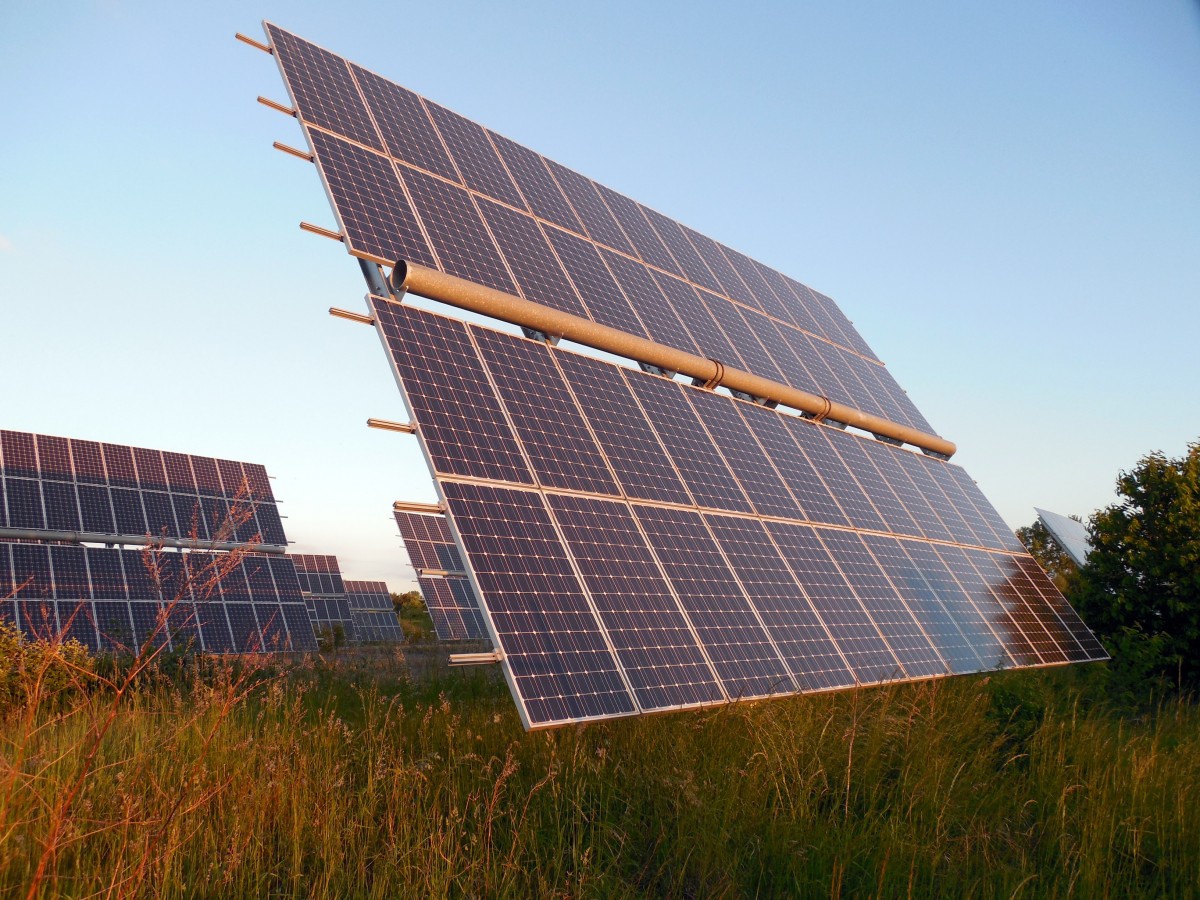
“Make clean energy affordable for your home”
Ministry of New & Renewable Energy and the Government of India have launched a landmark rooftop solar subsidy scheme under the PM Surya Ghar initiative. The aim: help homeowners install rooftop solar systems with major cost reduction, and to move India closer toward energy independence and sustainability.
✅ Key Benefits
- Financial assistance (subsidy) on rooftop solar installations to reduce your upfront investment.
- Direct-Benefit-Transfer (DBT): subsidy amount credited to your bank account.
- Access to collateral-free, low-interest loans for rooftop solar systems (for eligible households).
- Long-term electricity cost savings: reduce or eliminate your grid electricity bill by generating your own power.
- Environmental benefit: reduce carbon footprint, support India’s clean-energy goals.
📋 Eligibility Criteria
While many households can benefit, the key eligibility points include:
- You should be an Indian resident with a valid electricity connection.
- Your home must have a rooftop suitable for solar panel installation (structurally safe, adequate space).
- Choose an installation via an approved vendor / empanelled supplier.
- Batteries are usually not eligible for subsidy under this scheme (for residential rooftop systems).
- In some cases, additional state-specific conditions may apply (income criteria, property ownership, etc.).
💡 Subsidy Amounts & How It Works
Here’s a breakdown of the subsidy benefits under the scheme:
| Monthly Electricity Consumption (units) | Suitable System Capacity | Maximum Subsidy |
|---|---|---|
| 0 – 150 | 1 – 2 kW | ₹ 30,000 to ₹ 60,000 |
| 150 – 300 | 2 – 3 kW | ₹ 60,000 to ₹ 78,000 |
| >300 | Above 3 kW | Maximum ₹ 78,000 |
Important Notes:
- The subsidy is capped (for example, ₹ 78,000 is the maximum under the scheme for systems above 3 kW).
- The subsidy is for residential rooftop systems (typically up to ~3 kW capacity) under this central scheme.
- You can still install a larger system, but the subsidy portion may stop or reduce beyond the specified limits.
- You must use “Made in India” solar modules as per the guidelines.
🛠️ How to Apply – Step by Step
- Visit the National Portal for Rooftop Solar (for example: solarrooftop.gov.in or the dedicated PM Surya Ghar portal).
- Register your electricity connection, Aadhaar and bank account details.
- Choose a vendor / installer from the empanelled list.
- Conduct site survey & system sizing (based on your rooftop and electricity consumption).
- Vendor installs the system; post‐installation inspection and DISCOM (TNEB) approval needed.
- Once verified, the subsidy amount is transferred to your bank account.
- Connect to net‐metering or grid as per your local DISCOM (TNEB) rules.
- Start generating your solar power and enjoy savings!
🚨 Things to Verify & Consider
- Always check if your installer is approved / empanelled.
- Ensure you receive the subsidy amount and the cost you pay is transparent.
- Verify the system guarantees, warranties (solar modules, inverter) and maintenance terms.
- Even after subsidy, ensure proper sizing of system so it meets your future needs (for example if you install 3 kW but electricity usage grows).
- Stay updated on state‐level rules — some states may add extra incentives or have additional steps.
📌 Why This Matters for Your Home & Business
By leveraging the subsidy:
- You reduce the upfront cost of solar installation significantly.
- You begin saving on monthly electricity bills almost immediately.
- Your home becomes more future‐ready for energy self-reliance.
- As a company like Agni Energy System, we guide you through the scheme and ensure you avail the subsidy properly — making the process simpler and more beneficial.